Get Shrubs Trimming
Shrubs trimming services offered by local contractors help maintain healthy, attractive landscapes by shaping, pruning, and removing overgrown or damaged shrubbery.
Proper shrub trimming is an essential aspect of maintaining the health and appearance of a property’s landscape. Well-maintained shrubs can enhance curb appeal, improve plant vitality, and create a more inviting outdoor environment. Property owners in the area often explore shrub trimming services to keep their gardens looking neat and to prevent overgrowth that can obstruct views or pathways. Whether planning a routine maintenance project or preparing for a special event, understanding the options available among local contractors can help ensure the work meets expectations.
Finding the right service provider involves comparing local contractors who specialize in shrub trimming and landscape care. Many property owners consider factors such as experience, reputation, and the scope of services offered when evaluating options. Exploring these details can help identify professionals capable of handling various shrub sizes and types, ensuring the project aligns with individual landscape goals. Continuing to review local options provides a clearer picture of the available expertise and services suited to specific property needs.
- Hedge Trimming - needed when overgrown hedges threaten to block pathways or reduce curb appeal.
- Bush Pruning - required to maintain healthy growth and improve the shape of shrubbery.
- Shrub Shaping - essential for creating a neat, aesthetic appearance in gardens or landscapes.
- Overgrown Shrub Removal - necessary when shrubs have become too large or unruly to manage alone.
- Seasonal Trimming - recommended to prepare plants for seasonal changes and promote vigorous growth.

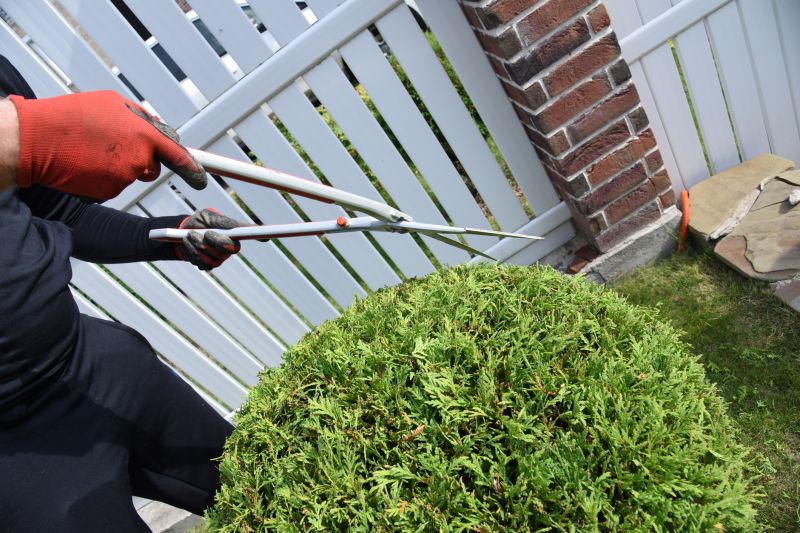

Shrubs trimming services involve the careful shaping and pruning of bushes and shrubs to maintain their health and appearance. This process typically includes removing dead or overgrown branches, thinning dense foliage, and shaping plants to enhance the overall landscape design. Proper trimming encourages healthy growth, prevents disease, and ensures that shrubs do not become unruly or obstruct views. Service providers often use specialized tools and techniques to achieve a clean, natural look that complements the property's aesthetic.
Regular shrub trimming can help address common landscape problems such as overgrowth, which can lead to reduced sunlight reaching lower plants or create a habitat for pests. It also prevents shrubs from becoming too invasive or encroaching on walkways, driveways, or neighboring properties. For homeowners who notice their shrubs are becoming leggy, misshapen, or are blocking windows and pathways, professional trimming can restore balance and safety to the outdoor space. Additionally, trimming can improve air circulation around plants, reducing the risk of fungal diseases and pest infestations.
Properties of various types often benefit from shrub trimming, including residential yards, commercial landscapes, and multi-family complexes. Homes with garden beds and decorative shrubbery typically require periodic trimming to maintain curb appeal and property value. Commercial properties, such as office parks or retail centers, rely on well-maintained landscaping to create welcoming environments for visitors and clients. Multi-unit residential complexes also use shrub trimming services to keep shared outdoor spaces tidy, safe, and visually appealing for residents and guests.
Homeowners might need shrub trimming services when shrubs become overgrown, look unkempt, or start to interfere with daily activities. It’s also recommended when shrubs are damaged or diseased, as trimming can remove unhealthy parts and promote new growth. Regular maintenance helps prevent larger, more costly problems down the line and keeps outdoor spaces looking neat and attractive. Local contractors experienced in shrub trimming can provide tailored solutions that suit the specific needs of each property, ensuring a healthy and well-groomed landscape.
The overview below groups typical Shrubs Trimming projects into broad ranges so you can see how smaller, mid-sized, and larger jobs often compare in your area.
In many markets, a large share of routine jobs stays in the lower and middle ranges, while only a smaller percentage of projects moves into the highest bands when the work is more complex or site conditions are harder than average.
Small Shrubs - The typical cost for trimming small shrubs ranges from $50 to $150. Many routine maintenance jobs fall within this range, depending on the number and size of plants involved.
Medium-Sized Shrubs - Trimming medium-sized shrubs generally costs between $150 and $350. Many local contractors handle these projects regularly within this range, though larger or more complex jobs can cost more.
Large or Dense Shrubs - Larger or densely foliaged shrubs often require $350 to $800 for trimming. These projects tend to push into higher tiers, especially if multiple or intricate cuts are needed.
Full Shrub Bed Overhaul - Complete overhauls or extensive shrub bed renovations can range from $1,000 to $5,000 or more. Such projects are less common and typically involve significant planning and labor by local pros.
Actual totals will depend on details like access to the work area, the scope of the project, and the materials selected, so use these as general starting points rather than exact figures.
Hedge Trimming - local contractors skilled in shaping and maintaining hedges share techniques with shrub trimming for a neat, uniform appearance.
Tree Pruning - professionals experienced in pruning trees use similar planning and tools as shrub trimming to promote healthy growth and safety.
Garden Bed Maintenance - maintaining garden beds often involves trimming and shaping plants, requiring comparable skills in cutting and plant care.
Landscape Clearing - clearing overgrown areas involves cutting back dense vegetation, similar to shrub trimming in scope and techniques.
Bush Removal - removing unwanted or overgrown bushes demands planning and tools akin to shrub trimming to ensure clean, safe results.
Ornamental Plant Care - caring for decorative plants involves precise trimming and shaping, paralleling the skills used in shrub trimming services.

When comparing service providers for shrubs trimming, it is helpful to consider their experience with similar projects. A contractor who has a history of working on shrub maintenance and landscaping tasks can often demonstrate familiarity with different plant types and trimming techniques. This experience can contribute to a more efficient and effective job, ensuring that the shrubs are shaped properly and remain healthy. Homeowners may want to inquire about the types of projects a contractor has handled in the past to gauge their familiarity with the specific needs of their landscape.
Clear, written expectations are essential when evaluating local contractors for shrub trimming services. Outlining the scope of work, including the extent of trimming, cleanup responsibilities, and any specific plant care instructions, helps prevent misunderstandings. Service providers who can provide detailed written estimates or proposals demonstrate professionalism and transparency. Having this information in writing allows homeowners to compare options more easily and ensures everyone is aligned on the project's goals before work begins.
Reputable references and good communication are key indicators of a trustworthy local contractor. Asking for references from previous clients can provide insight into the contractor’s reliability, quality of work, and professionalism. Additionally, contractors who communicate clearly and promptly respond to questions and concerns are often better equipped to manage the project smoothly. While this site introduces homeowners to local options, it is important to verify these qualities directly with service providers to select a partner who will meet expectations and facilitate a successful shrub trimming project.
Property owners use Shrubs Trimming services for practical projects around their homes and businesses. This guide focuses on everyday jobs and straightforward project options.

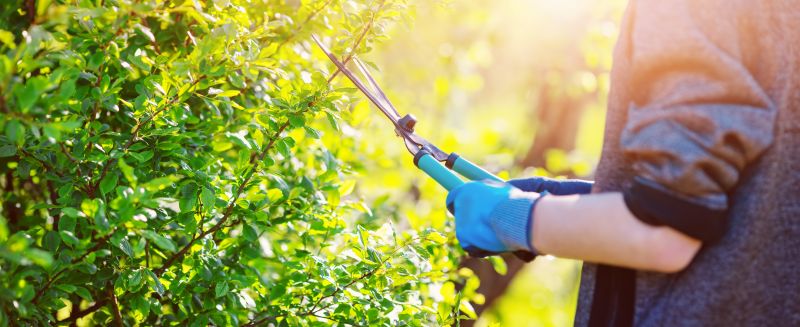
Shrubs trimming is a common task for property owners looking to maintain a neat and attractive landscape. Local contractors are often called upon to shape overgrown bushes, remove dead or diseased branches, and ensure shrubs stay healthy and well-kept. Regular trimming can also help prevent plants from encroaching on walkways or structures, making outdoor spaces safer and more inviting for daily activities.
Many property owners seek shrub trimming services to enhance curb appeal or prepare their yards for seasonal changes. Whether dealing with overgrown hedges, unruly bushes, or simply wanting to keep their landscape tidy, they turn to local service providers for professional assistance. These professionals can handle routine maintenance or more extensive shaping projects, helping property owners keep their outdoor areas looking their best.
What are the benefits of shrub trimming? Regular shrub trimming helps maintain the health and appearance of plants, encouraging growth and preventing overgrowth that can lead to pests or disease.
How often should shrubs be trimmed? The frequency of trimming depends on the type of shrub and its growth rate, but generally, it’s recommended to prune at least once or twice a year to keep them well-maintained.
What tools are used for shrub trimming? Local service providers typically use pruning shears, hedge trimmers, and loppers to carefully shape and remove unwanted branches from shrubs.
Can shrub trimming improve the overall landscape? Yes, professional trimming can enhance the visual appeal of a yard by shaping shrubs and ensuring they complement other landscape elements.
Is shrub trimming suitable for all types of plants? Most shrubs benefit from trimming, but some species may require specific techniques or timing, so consulting with local contractors can ensure proper care for each plant.
Maintain curb appeal - trimming shrubs regularly helps keep a property looking tidy and well-kept for visitors and passersby.
Prepare for seasonal changes - shaping and pruning shrubs can promote healthy growth and prepare plants for upcoming weather conditions.
Enhance safety around the property - trimming overgrown branches prevents potential hazards and keeps pathways clear.
Create a customized landscape design - shaping shrubs allows property owners to achieve a specific aesthetic or functional look for their yard.
If you are thinking about Shrubs Trimming for a property, this guide is meant to help you understand the work, the typical project types, and how different options might fit your plans.
When you are ready, you can use the quote form on this page to share a few details about your project. From there, local pros can review the basics and respond with options that match what you have in mind.